For today's hospitality brands, loyalty programs are as much about repeat customers as they are about controlling distribution costs. Often times that means strategy at the property level, rather then at the brand level.
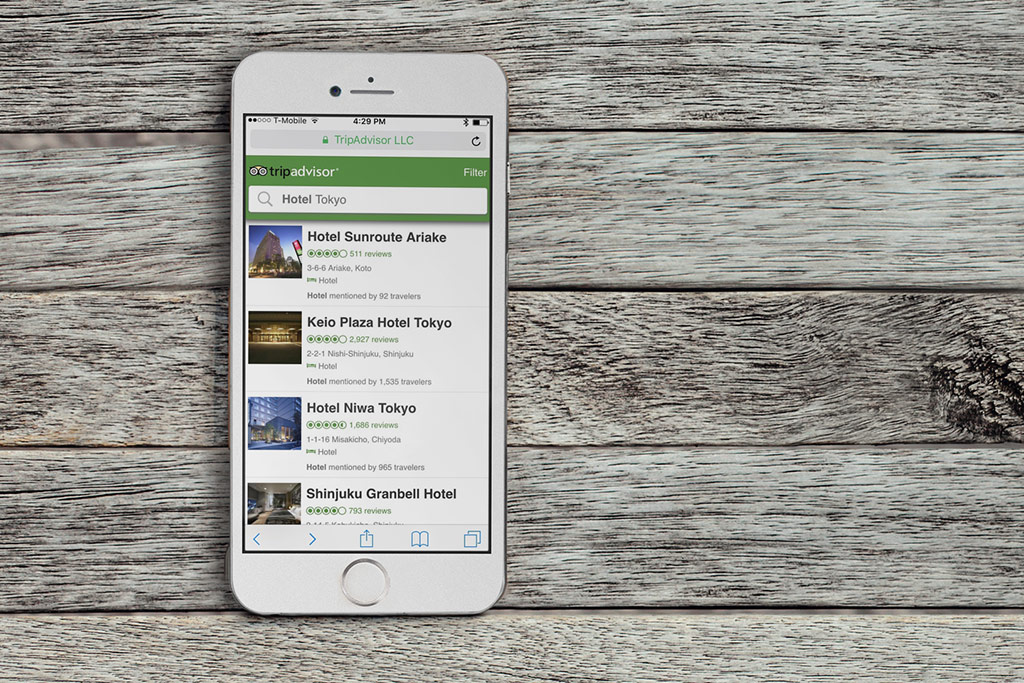
This report analyzes the state of hotel distribution with a focus on direct booking. Rather than taking the view that it’s a booking war, we believe the landscape is far more nuanced where hotels need to take a holistic approach with their distribution channels. Readers will gain insight from our interviews with over 20 executives across the hotel and online travel ecosystem along with the results from our survey of 370 hotels around the world, which was powered by Skift and Trivago.
This report looks deep into the current state of destination marketing, with a particular focus on current and developing content marketing, digital advertising and data analytics strategies. Skift Research Annual Subscribers also gain access to our 2017 Digital Destinations Survey full results. We collected over 300 responses from destination marketing organizations worldwide to assess budget, spend on marketing, reported return on investment on advertising platforms, and other metrics. The data sheet is a downloadable Excel file a full breakout of results from this 35 question survey (Annual Subscribers only).
Europe has traditionally been a very active player in travel. Yet lack of funding, market fragmentation and other factors have held it back from producing global corporations. Nevertheless, Europe is finally warming up to the American-style, risk big and risk early venture investment culture that has given birth to so many tech megabrands out of Silicon Valley.
Content marketing has evolved from a novelty into the mainstream of the travel industry. Not only are more travel marketers creating content as part of their broader advertising strategies, they’re also spending more to produce it. But as more travel brands ramp up content marketing initiatives, there are challenges, including how to measure the ROI of such programs, dealing with influencers, and determining how to create content in a cost-efficient manner. Which content strategies are gaining traction with travel brands in 2017 as they look to evolve their efforts in the year to come?
Facebook has transformed itself from a social media site into a powerful digital media platform that is now spreading its footprint across the travel industry. Facebook’s ability to dynamically retarget consumers combined with the ads being visual, aspirational, cost-effective, and largely in-app for Facebook’s massive and highly-engaged user base will make the platform an increasingly important tool for the travel industry.
Airbnb popularized a new type of rental product - i.e. the primary-residence urban rental, but now professionally managed properties are coming online with fury. Looking forward ten years, the landscape will likely look quite different. Consolidation is in the air; vacation rentals have gone mainstream with the consumer but inventory remains fragmented. Property managers, marketplaces, SaaS platforms and a host of other add-on services are evolving their strategies to capture greater scale and efficiencies.
The tours and activities segment is a two-sided race, with the big online aggregators clamoring to bring both suppliers and travelers into the digital age. The category has a relatively short booking window compared to accommodations and flights, leaving little room to use the latest in digital marketing and retargeting tech. Average booking values are also significantly lower than other categories. Yet, despite the challenges, the opportunities remain significant; the category is very much the next (if not final) frontier in online travel.
Disney’s success with its theme parks, hotels and cruise products is directly attributable to a highly-sophisticated marketing program that leverages cross-monetization of its different media businesses. It’s a case study for travel and hospitality companies on how to think and look outside of travel, when building globally successful businesses and brands.
There are over 77.5 million family households in America, with an average size of 3.26 people, and an average annual vacation spend of $3,340. It's a sizeable market and most travel memories are made with life partners, family, friends, or children when taking into account trip composition, but also during the decision-making process on where to go and what to do once there. Travel and tourism professionals should have a keen sense of modern family dynamics.